
Under Fire
The Advance
Capois is remembered for continuing forward despite concentrated enemy fire and the loss of his horse. The scene became a defining image of revolutionary resolve.

Ewo Ayiti Digital Museum™ · Hall of Heroes · Founding Gallery
Official Exhibit · EA-HH-006
Courage at Vertières
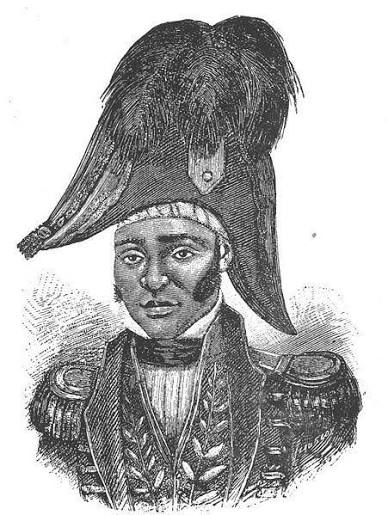
A museum portrait of the revolutionary officer whose remembered advance under fire became one of the most enduring symbols of courage in Haiti’s struggle for independence.
Historical Overview
Capois-La-Mort is remembered as one of the most celebrated officers associated with the Battle of Vertières, the decisive engagement of the Haitian Revolution. His name became inseparable from a battlefield tradition describing an advance made under intense fire after his horse was struck down.
The episode has endured because it expresses more than personal bravery. In Haitian historical memory, it represents discipline under pressure, refusal to retreat, and the collective determination that carried the independence struggle toward victory.
The broad significance of Capois at Vertières is firmly established in Haitian historical memory. Details of battlefield dialogue and dramatic gestures are often transmitted through later narratives and should be understood within that tradition.
The Decisive Hour
The battle near Cap-Haïtien became the final major confrontation of the Haitian Revolution and opened the path to the declaration of independence.
Under Fire
Capois is remembered for continuing forward despite concentrated enemy fire and the loss of his horse. The scene became a defining image of revolutionary resolve.
Battlefield Memory
Historical tradition recounts that the courage of the advance drew recognition even from the opposing side, reinforcing Capois’s place in national memory.
National Meaning
The Haitian victory at Vertières helped bring the colonial war to its conclusion. Independence was declared on 1 January 1804.
“Forward, regardless of danger.
Interpretive museum inscription inspired by the Capois tradition
Chronology
Haitian forces confront the remaining French army near Cap-Haïtien in the decisive battle of the independence struggle.
His conduct under fire becomes one of the battle’s most widely remembered episodes.
The outcome at Vertières forces the collapse of French military resistance in Saint-Domingue.
Haiti proclaims its independence, becoming the first independent Black republic of the modern era.
Capois-La-Mort remains associated with courage, perseverance, and sacrifice in defense of freedom.
Leadership and Significance
His remembered conduct at Vertières represents composure and bravery at a moment of extreme danger.
The story emphasizes sustained action, military focus, and commitment to the larger revolutionary objective.
Capois embodies the personal risks undertaken by those who fought to end colonial rule.
His legacy continues through public commemoration, education, art, and the annual remembrance of Vertières.
Enduring Legacy
Capois-La-Mort’s place in Haitian history rests on the memory of action when the outcome remained uncertain. His story teaches that national freedom is shaped not only by strategy and leadership, but also by individuals who continue forward when retreat appears easier.
Within the Ewo Ayiti Digital Museum™, he is presented as both a revolutionary officer and a symbol through whom generations have interpreted perseverance, duty, and the moral cost of independence.
Ewo Ayiti Digital Museum™
Continue exploring Haiti’s heroes, history, and cultural heritage.

