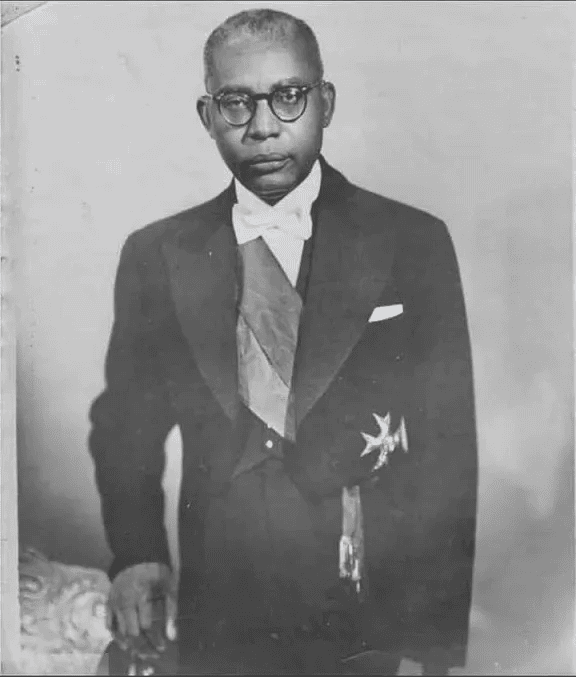


Haiti held a widely observed national election on December 16, 1990. Jean-Bertrand Aristide won the presidency by a large margin after years of unstable political transition following the fall of the Duvalier dynasty.
Historical Overview
On December 16, 1990, Haiti held a widely observed national election. Jean-Bertrand Aristide won the presidency by a large margin, becoming the central figure in a major democratic opening after the instability that followed the end of the Duvalier dynasty.
Historical Context
The election took place after years of difficult transition, military influence, public mobilization, and contested attempts to establish democratic government. International observers and extensive popular participation gave the vote exceptional importance.
Why It Matters
The election was a major expression of mass political participation, but the elected government was overthrown in 1991. The museum therefore presents the 1990 election as the opening of a longer story involving coups, international pressure and intervention, restoration, and continuing political conflict.
Historical Significance
Why This Exhibit Matters
The 1990 election represented a major democratic opening and an important expression of mass political participation. Its historical meaning must be presented alongside the 1991 coup, later international intervention, restoration of constitutional government, and the contested politics that followed.