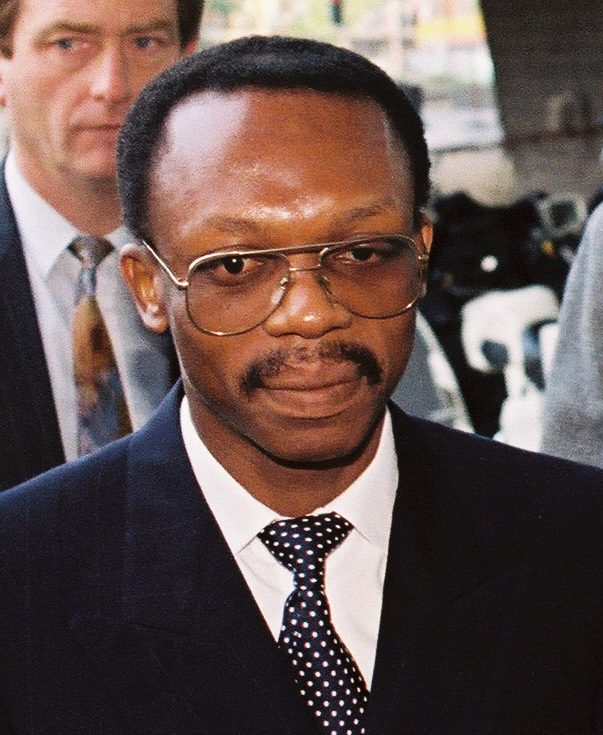

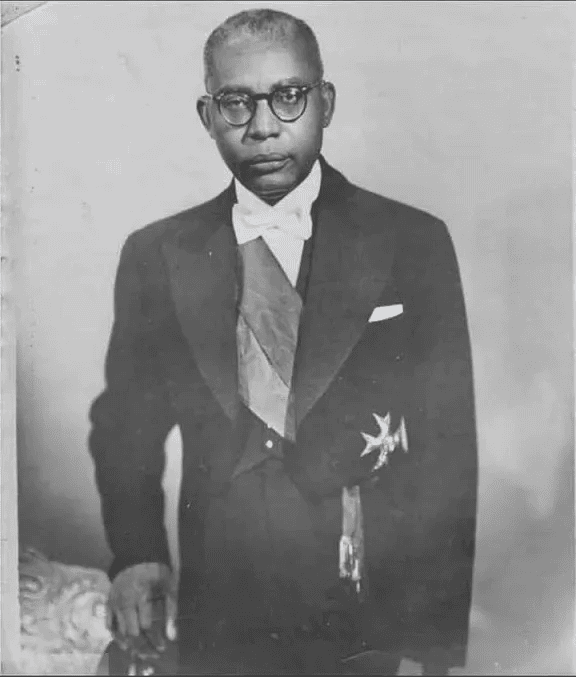
François Duvalier won Haiti’s 1957 presidential election and subsequently consolidated an authoritarian state. His son Jean-Claude Duvalier succeeded him in 1971, extending the family’s rule until 1986.
Historical Overview
François Duvalier won Haiti’s presidential election in 1957 and later consolidated an authoritarian political system. Political repression, patronage, constitutional changes, and the militia commonly known as the Tonton Makout became central instruments of the regime. After François Duvalier died in 1971, his son Jean-Claude Duvalier succeeded him and continued dynastic rule until 1986.
Historical Context
The election followed a period of political instability and intense competition among civilian and military actors. The subsequent Duvalier governments transformed state institutions while large numbers of Haitians experienced repression, exile, migration, and political exclusion.
Why It Matters
The Duvalier era remains essential to understanding modern Haitian politics, migration, civil society, human-rights memory, and the difficult democratic transition that followed 1986.
Historical Significance
Why This Exhibit Matters
The Duvalier era profoundly reshaped Haitian political institutions, political violence, migration, civil society, and collective memory. The museum distinguishes the documented chronology of the regime from casualty estimates and incident-level responsibility that can vary across sources.